

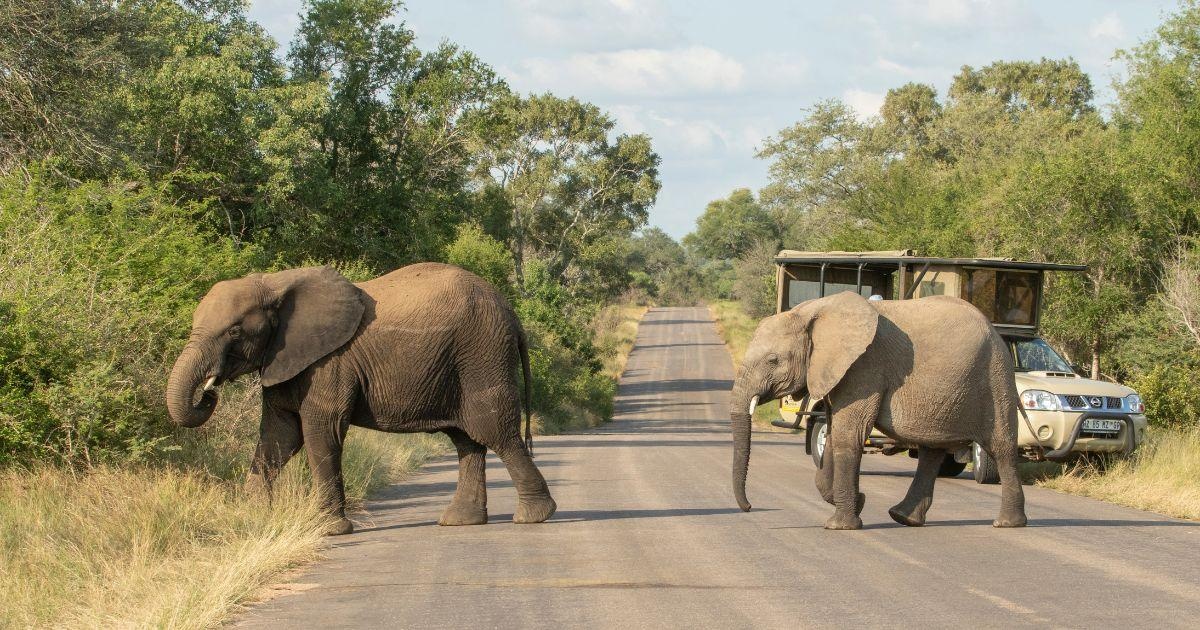
Kruger National Park
Big Five Territory — Kruger National Park is Africa's most iconic wildlife sanctuary — nearly 2 million hectares of untamed bush stretching across Mpumalanga and Limpopo provinces.
Discover Kruger National Park
Kruger National Park is Africa's most iconic wildlife sanctuary — nearly 2 million hectares of untamed bush stretching across Mpumalanga and Limpopo provinces. Home to the Big Five (lion, leopard, elephant, rhino, buffalo) and over 500 bird species, Kruger offers the definitive African safari experience. From luxury private lodges to classic bush camps, there's a Kruger experience for every traveller.
Why Visit Kruger National Park?
Kruger is the most accessible Big Five destination in Africa. It's malaria-managed, has excellent road infrastructure, offers both self-drive and guided options, and has an astonishing density of wildlife. The adjacent Panorama Route adds dramatic landscapes to your safari adventure.
Browse Kruger SafarisTop Highlights
Big Five Game Drives
Morning and sunset drives led by expert trackers. Lion, leopard, elephant, rhino, and buffalo — all in one park.
Panorama Route
Blyde River Canyon, God's Window, Bourke's Luck Potholes — South Africa's most stunning scenic drive.
Private Reserves
Sabi Sands, Timbavati, and Manyeleti offer exclusive traversing rights and off-road game viewing.
Bush Walks & Night Drives
Get up close on guided walking safaris and spot nocturnal predators on thrilling night drives.
Best Time to Go
Dry season means thinner vegetation and animals congregate around water sources — ideal for game viewing. Cooler temperatures (15–25°C).
July–September is peak safari season. Book lodges 6–12 months in advance for the best availability.
Weather & Climate
Summer
25–35°C (Oct–Mar). Hot and humid with afternoon thunderstorms. Lush green landscapes.
Winter
15–25°C (Apr–Sep). Dry, cool mornings. Best for game viewing as vegetation thins out.
Rainfall
Wet season October–March. Dry season April–September.
Early mornings can be cold on open game drive vehicles — pack warm layers even in summer.
Top Attractions
Big Five Game Drive
Track lion, leopard, elephant, rhino, and buffalo on guided morning and sunset drives through the bush.
Blyde River Canyon
The third-largest canyon on Earth. Spectacular viewpoints at God's Window and the Three Rondavels.
Bourke's Luck Potholes
Extraordinary geological formations carved by centuries of water erosion at the confluence of two rivers.
Skukuza Rest Camp
Kruger's largest camp on the Sabie River. Excellent game viewing, restaurants, and a golf course.
Sunset Dam at Lower Sabie
One of the best spots in Kruger for hippo, crocodile, and waterbird sightings at golden hour.
Berg-en-Dal Rock Art
Ancient San rock paintings dating back thousands of years, accessible via guided walks.
Where to Stay
SANParks Rest Camps
ClassicIconic bush camps like Skukuza, Satara, and Lower Sabie. Affordable and well-located for self-drive safaris.
R1,000 – R3,000/night
Private Game Lodges
LuxuryAll-inclusive luxury lodges in Sabi Sands and Timbavati. Expert guides, gourmet dining, and exclusive game drives.
R5,000 – R25,000/night
Hazyview & White River
Gateway TownCharming towns just outside Kruger's gates. Great base for day trips into the park.
R800 – R3,000/night
Treehouse & Boutique Camps
UniqueSleep in a treehouse, luxury tent, or glass-walled suite overlooking a waterhole.
R2,500 – R8,000/night
Safety Tips
Never leave your vehicle inside the park — wild animals are dangerous and unpredictable.
Obey speed limits (50km/h on tar, 40km/h on gravel) — animals cross roads without warning.
Take malaria prophylaxis as recommended by your doctor for the Kruger lowveld region.
Keep windows closed when near elephants, lions, or buffalo.
Always carry sufficient water, snacks, and a charged phone during self-drive safaris.
Gate times are strict — plan your route to arrive before sunset closing times.
Frequently Asked Questions
The dry season (May–September) offers the best game viewing as animals gather around water sources and vegetation is thinner. However, summer (Oct–Mar) brings lush landscapes, baby animals, and migratory birds.